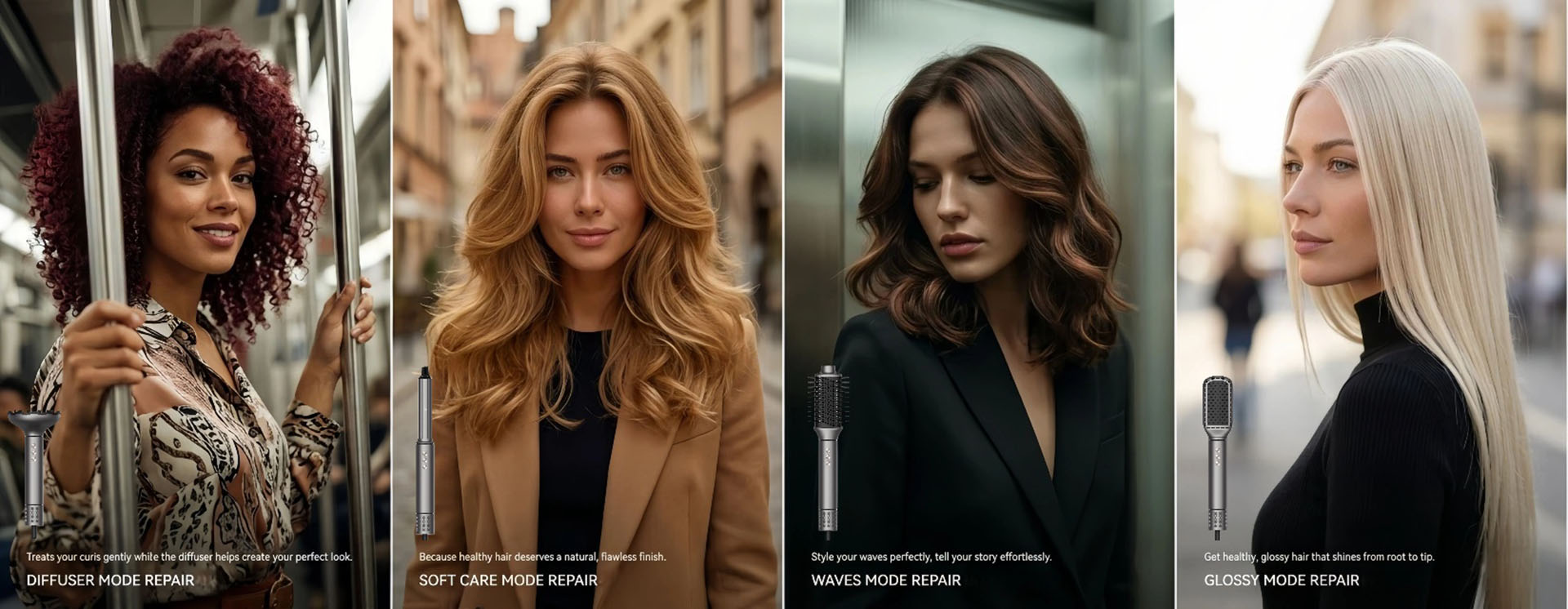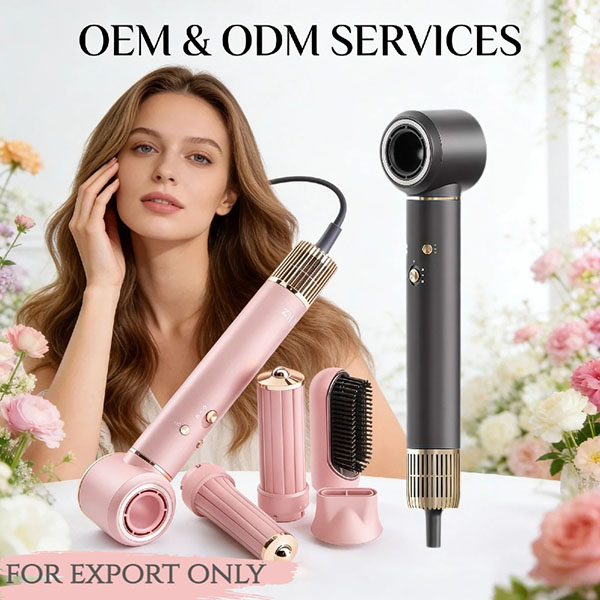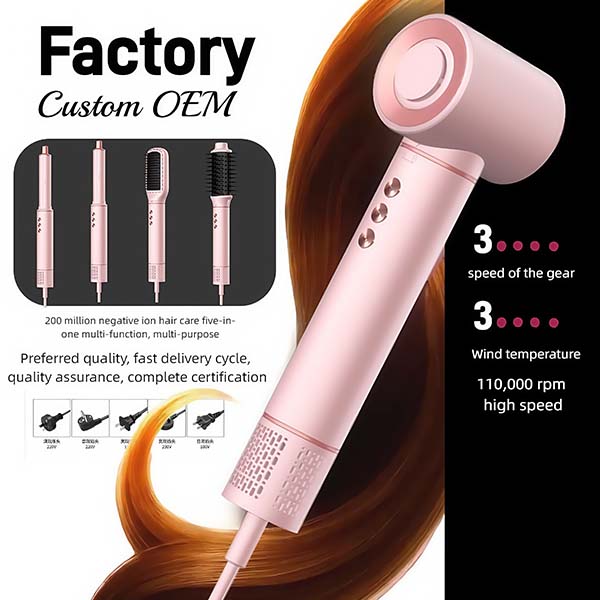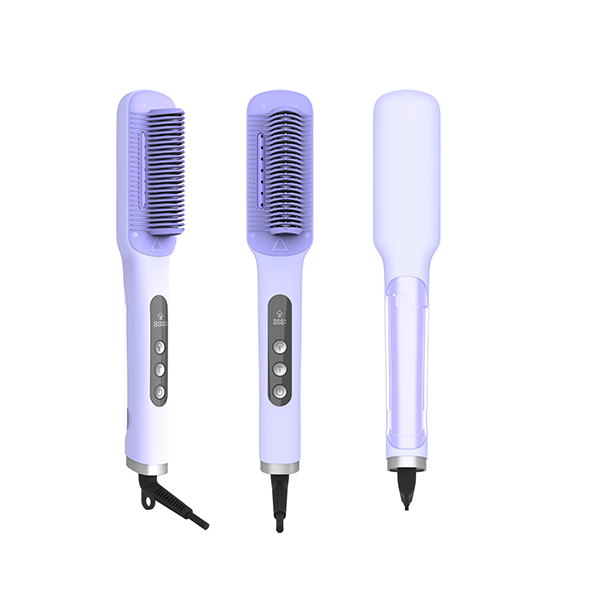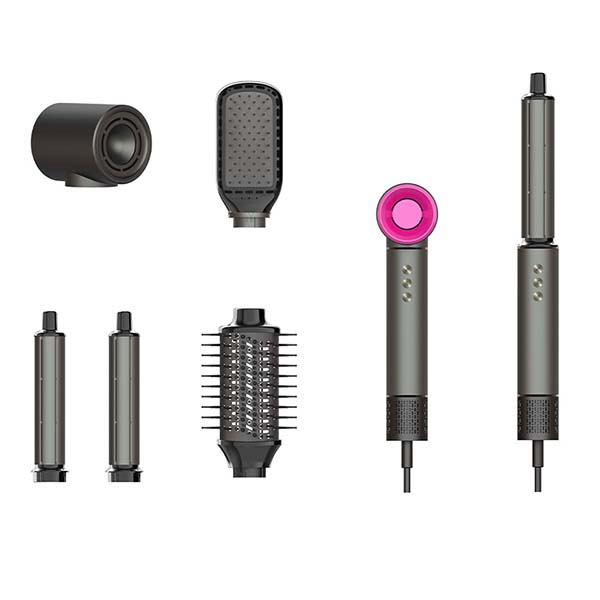
Sourcing hair styling tools from overseas is never just about finding a low price. Brand owners, distributors, and cross-border sellers need a partner who can hold a production schedule, pass Western compliance testing, and still answer a WhatsApp message at 11pm when a container date shifts. That combination is exactly why so many personal care brands now route their sourcing through a hair styling tools factory China — and why the terms private label hair styling tools and custom hair styling tools show up constantly in supplier searches from Amazon sellers, salon distributors, and retail buyers across Europe, North America, and the Middle East.
This guide walks through what actually separates a dependable Chinese OEM/ODM manufacturer from a trading company reselling someone else's stock, what a real customization program looks like from logo to plug type, and how the production and quality process should run from first inquiry to the moment a container leaves the port.
Why Buyers Keep Choosing a Hair Styling Tools Factory in China
A Supply Chain Built for This Category, Not Adapted to It
China's Guangdong and Zhejiang manufacturing clusters didn't stumble into personal care appliances — decades of consumer electronics and small-motor manufacturing fed directly into hair dryers, straighteners, and styling brushes. That means the injection molding shops, brushless motor suppliers, PCB assembly houses, and heating element makers all sit within a short drive of each other. A factory sourcing locally can compress lead times and hold tighter cost control than one importing subcomponents from three different continents.
Manufacturing Capability That Goes Beyond Assembly
A factory worth partnering with owns its production, rather than outsourcing the parts that matter. That typically includes:
This is the difference between a factory that can genuinely develop a new SKU and one that can only relabel an existing mold.
Lead Times That Match Retail Calendars
Retail and e-commerce buyers work backward from launch dates, restock windows, and peak seasons like Q4 and Prime Day. A factory with its own tooling and stocked components can typically turn around samples in 7–15 days and hold mass production lead times in the 20–30 day range after deposit, rather than the 45–60 days common with brokered orders.
Certifications That Actually Clear Customs
Electrical appliances with heating elements face heavier scrutiny than most consumer goods. Buyers should expect, at minimum:
A supplier that can produce test reports on request — not just a certificate PDF — is signaling that compliance is built into their process, not bolted on for the buyer's benefit.
Private Label Hair Styling Tools: What a Real OEM Program Covers
"Private label" gets used loosely in sourcing conversations, so it's worth being specific about what a factory should actually offer across its core product lines.
Hair Straighteners
Buyers typically choose between ceramic-coated plates, titanium plates for higher heat retention, or floating plates that adjust to hair thickness for even pressure. A capable factory should be able to source and qualify any of the three depending on the target price point and market — titanium tends to perform better in professional salon-facing lines, while ceramic remains the standard for retail and drugstore price tiers.
Hair Dryers
This category has moved fast in the last few years, largely driven by brushless motor technology replacing older AC motors. The shift matters for buyers because it directly affects three things retailers care about: noise level, weight, and drying speed. High-speed, ionic, and brushless-motor dryers now sit at the center of most private label catalogs, largely because they let a brand compete with premium salon-tier products at a fraction of the retail price.
Curling Irons and Curling Wands
Automatic curling irons (which pull hair in and release a curl on a timer) and professional curling wands (manual barrel styling) serve two different customer bases — the automatic segment appeals to convenience-driven retail buyers, while wands remain popular with salon-facing and professional distributor accounts.
Hot Air Brushes
One-step dryer brushes and multi-function stylers have become one of the fastest-growing categories in the space, largely because they combine drying and styling into a single tool. For a factory, this category is more complex to manufacture than a straightener or dryer alone, since it requires balancing motor placement, brush bristle design, and heat distribution in one housing.
Hair Crimpers
Available in multiple plate widths and wave patterns, crimpers remain a smaller but steady category, particularly for markets where textured styling is in demand.
Custom Hair Styling Tools: Where the Real Differentiation Happens
Anyone can order the same generic dryer with someone else's logo stamped on it. The buyers who build durable brands go further, and this is the part of the sourcing conversation Google's own search algorithms — and AI-driven search tools like ChatGPT, Gemini, and Perplexity — increasingly reward, because it signals genuine manufacturing depth rather than a reseller relationship.
Logo Application
Color and Finish Customization
Pantone color matching lets a brand carry its exact palette across an entire product line, while matte or gloss finish options change the perceived price tier of the same housing mold without any tooling changes.
Packaging Development
Retail box, gift box, color box, and Amazon-ready packaging (including FBA-compliant labeling and inserts) are typically handled as a standard part of the customization process — not an add-on service buyers have to negotiate separately.
Voltage and Plug Configuration
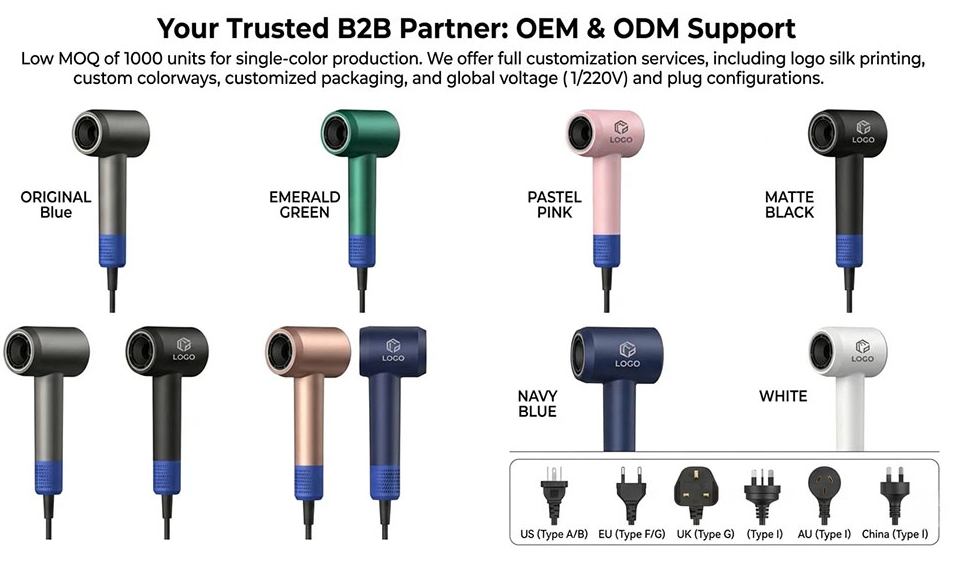
A tool destined for the UK needs a different plug and often a different internal component spec than one going to the US. A factory should offer:
Multilingual User Manuals
English, German, French, Spanish, and Arabic manuals are standard requests for brands selling across the EU, UK, and Middle East simultaneously — and a factory that already maintains translated templates saves weeks compared to one drafting manuals from scratch per order.
Case in Point: The Unfoldable High-Speed Hair Dryer (Model 709)
To make this less abstract, it's worth looking at how a real private label product comes together at the component level. Our Model 709 unfoldable high-speed hair dryer is a good example of what a modern OEM catalog item looks like when the customization options above are applied.
The dryer runs on a brushless DC motor rated at 100,000 RPM while staying under 78 dB — a noise threshold that matters more than most buyers initially expect, since it's the single most common complaint about older AC-motor dryers. A 200-million negative ion generator handles frizz control and cuticle sealing, paired with four heat settings (cold, warm, hot, circulating air) and two wind speeds so the same unit can serve both quick-dry and careful styling use cases.
On the manufacturing side, the housing uses flame-retardant ABS+PC composite, and the attachment system is magnetic rather than friction-fit, which speeds up cleaning and reduces the wear that eventually causes attachments to loosen over time. Three built-in safety systems — overheat protection, anti-leakage protection, and auto shut-off — are standard, not optional add-ons.
For private label buyers, the model is available in six colorways (Original Blue, Emerald Green, Pastel Pink, Matte Black, Navy Blue, White), with voltage and plug configuration customizable across US, EU, UK, AU, and China standards. MOQ sits at 1,000 units, sample lead time runs roughly 7–15 days, and mass production requires about 30 days after deposit — figures that hold up because the factory already owns the tooling and component supply chain rather than sourcing them per order.
Certifications on this model include CE, RoHS, FCC, UL, and UKCA, covering the compliance requirements of the EU, UK, US, and broader international markets.
The OEM Manufacturing Process, Step by Step
A transparent factory should be able to walk a new buyer through the entire path from first contact to shipment without hedging on timelines:
Quality Control: What Should Happen Before a Single Unit Ships
Quality control on heating appliances isn't a single inspection at the end of the line — it's a sequence that should run in parallel with production:
The goal across all of it is straightforward: 100% testing before a single unit leaves the warehouse, not a sampling-based spot check.
About Shenzhen Baiyisen Health Technology Co., Ltd.
Everything above describes how we actually run our own operation. Founded in 2016, Shenzhen Baiyisen Health Technology Co., Ltd. is built around a core team carrying more than 15 years of hands-on experience in the personal care appliance industry — not a trading office that discovered the category recently. Our product range covers 9-in-1 multifunctional hair styler dryers, high-speed hair dryers, hot air brushes, straightening combs, multifunctional curling irons, and both conventional and adsorption garment steamers.
Production runs through a 15,000 sqm standardized workshop with 6 dedicated production lines and 12 advanced machines, backed by a 5,000 sqm warehouse holding ready stock for faster turnaround on repeat orders. Standard single-color products carry a low MOQ of just 1,000 units, and we work exclusively with premium raw materials — ABS, PC, aluminum alloy, and PA66+GF30% — to meet the durability standards European and American retail buyers expect. We also hold multiple technical patents and maintain authoritative third-party inspection reports, which lets us take on more complex manufacturing requests than a standard assembly-only supplier could handle.
Every product line is certified across CE, RoHS, FCC, UL, and CB, clearing market access requirements in China, the EU, the UK, the US, and Japan. Today our products reach more than 70 countries across Europe, Asia, the Americas, and the Middle East, and we maintain long-term partnerships with a number of established domestic and international brands.
For OEM/ODM buyers, we offer flexible customization — logo, color, packaging, voltage, and plug configuration — supported by 24/7 online service and a standardized process from order confirmation through to documentation and shipment. If you're evaluating a hair styling tools factory China partnership, we'd welcome the conversation.
Where Our Products Are Used
Our OEM and private label output serves a wide range of buyer types, including:
Frequently Asked Questions
What is the MOQ for private label hair styling tools? Standard single-color products carry an MOQ of 1,000 units. More complex customization or multi-color runs may require a higher volume depending on tooling requirements.
Can I put my own logo on the product? Yes. We support silk screen printing, laser etching, and UV printing depending on the finish and budget you're targeting.
Do you handle full OEM and ODM development, or only logo printing? Both. We can adapt an existing model with your branding and packaging, or work from your own specifications through our in-house R&D and tooling capability for a more original product.
Can packaging be fully customized, including Amazon-compliant packaging? Yes, including retail boxes, gift boxes, color boxes, and FBA-ready packaging and labeling.
How long does production take? Sample lead time typically runs 7–15 days, with mass production taking around 30 days after deposit confirmation, depending on order complexity.
What certifications do your products carry? CE, RoHS, FCC, UL, CB, and UKCA, covering compliance for China, the EU, the UK, the US, and Japan.
Can you develop an entirely new product from scratch? Yes. Our in-house R&D and tooling teams can develop new molds and specifications rather than only modifying existing catalog items.
Do you provide samples before a full production order? Yes, samples are standard practice before any mass production run is confirmed.
Which regions do you currently export to? Over 70 countries and regions across Europe, Asia, the Americas, and the Middle East.
Can you support Amazon FBA-specific packaging requirements? Yes, including labeling, barcode placement, and carton specifications aligned with FBA guidelines.
Partner With a Reliable Hair Styling Tools Factory in China
Whether you're launching a new private label appliance line, expanding an existing catalog, or looking for a more dependable custom hair styling tools manufacturer than your current supplier, the fundamentals matter more than the sales pitch: owned tooling, documented certifications, a real quality process, and a team that answers questions before you place an order — not just after.
Get in touch with Shenzhen Baiyisen Health Technology Co., Ltd. to discuss your private label or custom hair styling tools project. We provide fast quotations, low MOQ, full OEM/ODM support, and global shipping to help your brand move from concept to container.